
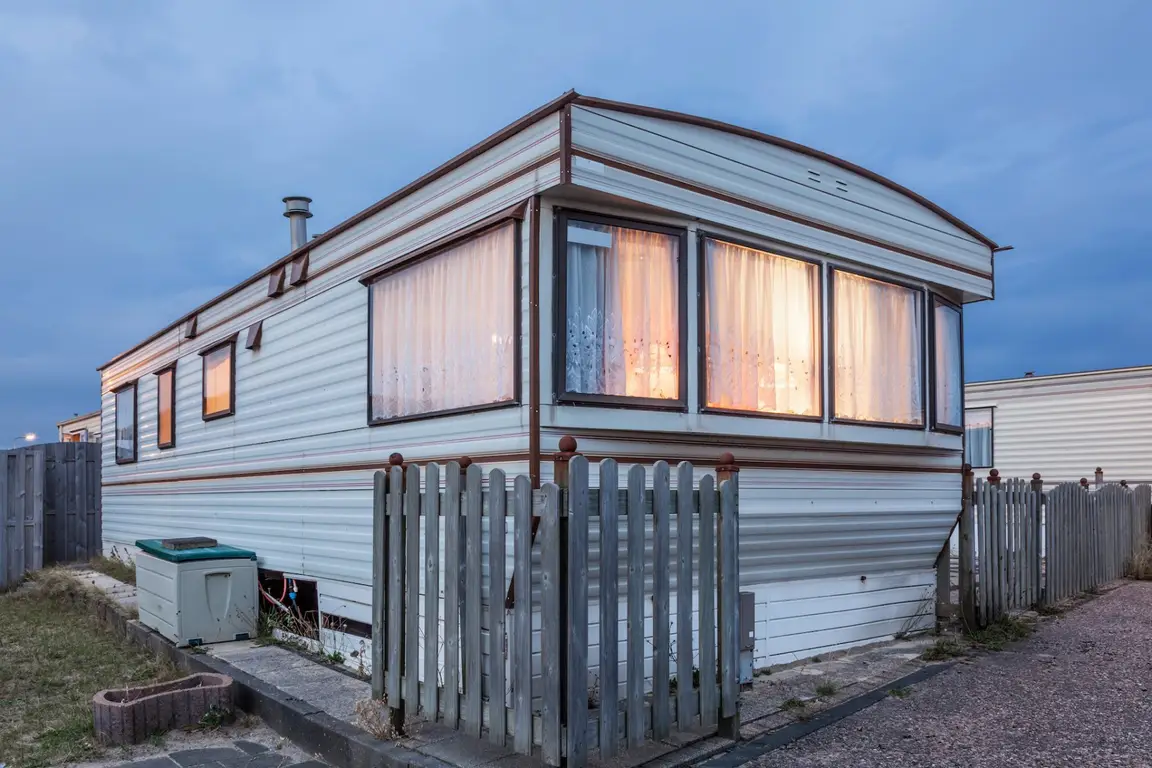
Understanding Your As-Is Mobile Home Selling Options
You may be able to sell a mobile home as-is in Delaware without completing repairs before closing. The options available depend on the home’s condition, location, ownership records, and whether it will remain in place or need to be moved. A buyer will consider these details when deciding whether to purchase and how much to offer.
A leaking roof, soft floor, or failing heating system can make selling feel like another expensive project. You might not have the money to renovate, the time to supervise contractors, or the desire to keep maintaining a home you no longer need.
Before spending money on improvements, compare the likely cost and benefit of repairs with the terms of an as-is sale. This guide explains what to consider and how to prepare.
What Does Selling a Mobile Home As-Is Mean?
An as-is sale generally means the buyer agrees to purchase the home in its current condition, without requiring the seller to complete specified repairs before closing.
The written agreement determines the actual terms. A buyer may still inspect the home, ask questions, or make an offer subject to conditions.
Selling as-is does not automatically mean:
- Every buyer will accept the home.
- The buyer cannot inspect it.
- The price will match a renovated home.
- Ownership or lien issues can be ignored.
- Community requirements no longer apply.
- The buyer will remove the home or its contents.
Clarify each responsibility before signing. Describe known problems accurately and avoid presenting an as-is arrangement as permission to conceal damage.
For an overview of the complete transaction, read our guide to how to sell a mobile home in Delaware.
Common Mobile Home Repairs That Affect a Sale
Condition can affect buyer interest, financing options, repair costs, and the feasibility of moving the home. The significance of a problem depends on its cause and extent.
Roof Leaks and Water Damage
A roof leak can damage ceilings, insulation, walls, and flooring. A stain may reflect an old repair or an active problem, so explain what you know rather than assuming it is cosmetic.
Gather any repair invoices, photographs, or contractor assessments. Buyers may want to understand when the leak began, whether it was repaired, and what damage remains.
Painting over a stain does not resolve an active leak.
Soft or Damaged Floors
Soft flooring may involve the floor covering, subfloor, or deeper damage associated with moisture.
Before replacing the surface, determine whether the source of the damage has been addressed. Buyers may account for both the visible problem and the possibility of additional work.
If an area appears unsafe, restrict access and have it assessed rather than allowing showings through it.
Plumbing Problems
Leaks, damaged fixtures, and water-supply problems can affect usability and create secondary damage.
Write down the issues you know about, including repairs already attempted. If the home has been vacant, tell buyers whether the plumbing is currently in use and whether its condition has been assessed.
Avoid describing a system as functional when you have not tested or used it recently.
Heating and Cooling Issues
A failing heating or cooling system can represent a significant expense. Buyers may consider its age, condition, and replacement needs.
Provide available service records and identify equipment that is not working. A documented assessment can help distinguish a minor repair from a larger replacement project.
Electrical Concerns
Damaged wiring, exposed components, or malfunctioning outlets deserve professional assessment. Do not attempt unfamiliar electrical work simply to prepare for a sale.
Tell the buyer about known problems and any professional findings. An as-is sale should clearly address the condition being accepted.
Windows, Doors, and Skirting
Damaged windows, doors that do not close properly, and missing skirting can affect appearance, weather protection, and buyer expectations.
These issues may be less costly than major structural repairs, but the cause matters. For example, a door that binds may require more investigation than adjusting a hinge.
Moisture, Odors, and Interior Damage
Persistent odors, visible moisture damage, damaged cabinets, or neglected interiors can reduce interest from buyers seeking a move-in-ready home.
Describe the condition honestly. If mold or another environmental concern is suspected, obtain an appropriate assessment rather than making unsupported claims about its type or safety.
Should You Repair the Home Before Selling?
The decision should depend on the likely financial result and your circumstances—not on the assumption that every repair will pay for itself.
Start with written estimates for significant work. Then consider the possible selling price, the time needed, and your ongoing costs while waiting.
Repairs May Be Worth Considering When
- The problem is limited and the cost is manageable.
- You have time to complete the work properly.
- The improvement is likely to make the home more marketable.
- You can pay for it without creating financial pressure.
- You intend to pursue buyers who expect a more finished property.
An As-Is Sale May Be Worth Exploring When
- Repairs are extensive or their full scope is uncertain.
- You cannot comfortably fund the work.
- The home is vacant and costing money to hold.
- You need to relocate or simplify an inherited-property situation.
- You prefer to compare offers before committing to contractors.
Neither option guarantees a better outcome. Get enough information to compare them.
Compare the Whole Financial Picture
Use this practical comparison:
Estimated proceeds after repairs = expected sale price − repair costs − selling costs − holding costs − outstanding balances
Estimated as-is proceeds = agreed as-is price − agreed transaction costs − outstanding balances
For example, suppose an owner receives an as-is offer of $25,000. They also estimate that a repaired home might sell for $40,000, but the work could cost $12,000 and additional holding and selling costs could total $4,000. In that hypothetical comparison, the higher sale price would not necessarily produce higher proceeds.
These figures are illustrative, not Delaware market estimates. Use actual offers and estimates for your home.
How Does Damage Affect a Mobile Home Cash Offer?
A buyer may consider more than the visible repair bill.
Factors can include:
- The purchase price of comparable homes.
- Labor and material costs.
- The possibility of additional damage.
- Time required to complete the work.
- Costs incurred while the home is being repaired.
- Whether the home can remain in its location.
- Transportation costs if removal is required.
- The buyer’s intended use and financial requirements.
Two buyers may assess the same home differently. Compare their written offers and conditions rather than assuming there is one universal repair deduction.
Condition Is Only Part of Value
A home’s age, size, layout, location, land ownership, and lot rental arrangements also matter.
A damaged home sold with land is a different proposition from a similar home on a rented lot. A home requiring removal introduces another set of costs.
Our guide to mobile home value in Delaware explains how these factors work together.
Selling a Home That Needs Repairs in a Delaware Community
If the home is in a mobile home park, an as-is agreement between you and a buyer does not settle every community-related question.
Review the written resale standards, existing notices, rental documents, and applicable transfer procedures before committing to a date.
Discuss:
- Whether the home will stay in the community.
- Existing condition or violation notices.
- Any repairs expected under applicable written standards.
- Who will be responsible for agreed work.
- How community-related requirements affect the transaction.
Avoid assuming that a buyer’s willingness to accept damage means the community will have no additional requirements.
Read our guide to selling a mobile home in a Delaware mobile home park for the separate community considerations.
Selling a Damaged Mobile Home on Private Land
When the home is on privately owned land, first decide whether you are selling the land too.
Selling the Home and Land Together
The condition of the home is one part of the overall property evaluation. Buyers may also consider access, utilities, site conditions, and their intended use.
Make sure the agreement identifies everything included and that the closing professional confirms the ownership documents needed.
Selling the Home for Removal
If the land is not included, the buyer needs to evaluate whether the home can be transported and whether removal makes financial sense.
Significant damage may affect transportability. Before agreeing to removal, clarify the contractor, costs, schedule, utility disconnections, and cleanup.
Do not assume “we buy damaged homes” also means free removal. Those are separate terms to confirm in writing.
What to Prepare Before Requesting an As-Is Offer
You can begin with the information you have. You do not need to renovate the home to explain its condition.
Prepare:
- The home’s address and community name, if applicable.
- Approximate year, size, and layout.
- Whether you own the land or rent the lot.
- Whether the home must be moved.
- Photographs of the exterior, rooms, and known damage.
- A description of repairs needed.
- Available contractor estimates or repair records.
- Ownership and loan information.
- Occupancy and preferred selling timeline.
Clear information can help a buyer decide what additional inspection or documentation is necessary.
Photographs Should Show the Actual Condition
Include damaged areas rather than photographing only the best rooms. If a space is inaccessible or unsafe, explain that limitation.
Photos can support an initial discussion, but they may not replace a buyer’s evaluation.
Gather Ownership Information Early
Repair needs and ownership issues are separate. A home can be physically repairable while still requiring title, lien, or estate questions to be resolved.
Read our Delaware mobile home title transfer guide if documents are missing or ownership needs clarification.
Questions to Ask an As-Is Buyer
Before accepting an offer, ask:
- Is the offer based on the condition already described?
Confirm what the buyer knows and whether further assessment is required. - Can the price change after an inspection?
Understand the conditions and any cancellation rights in the agreement. - Which costs will be deducted from my proceeds?
Request a clear explanation of agreed fees, payoffs, and other deductions. - Am I expected to complete any repairs?
Make sure the contract reflects the as-is terms discussed. - What must I remove before possession changes?
Clarify furniture, appliances, personal belongings, and debris. - Will the home stay or be moved?
Document removal responsibilities if applicable. - What could delay closing?
Identify ownership, lender, community, and other unresolved conditions. - How and when will I receive payment?
Confirm the payment and closing arrangements before transferring possession.
A clear answer should be reflected in the written agreement, not left as a verbal promise.
How Quickly Can You Sell a Mobile Home That Needs Repairs?
The timeline depends on more than condition.
A buyer may be willing to purchase without waiting for repairs, but the sale can still require document preparation, payoff arrangements, community-related steps, or removal planning.
To reduce avoidable delays:
- Provide accurate condition information early.
- Gather ownership documents.
- Identify outstanding loans and balances.
- Review community documents where applicable.
- Agree on a realistic possession or removal schedule.
Avoid selecting a closing date solely because an advertisement promises a fast purchase. Ask what must happen first.
Common Mistakes When Selling a Damaged Mobile Home
Repairing Cosmetic Problems Before Investigating the Cause
New flooring or paint may not resolve moisture or underlying damage. Understand the issue before spending.
Assuming Renovation Costs Will Be Recovered
The amount spent is not automatically added to the selling price.
Hiding Known Damage
Incomplete information can undermine negotiations and create disputes.
Comparing Only the Offer Price
Review expected proceeds, conditions, costs, and responsibilities.
Assuming Cleanup or Removal Is Included
Confirm these arrangements explicitly.
Ignoring Paperwork Because the Home Is Being Sold As-Is
An as-is agreement concerns condition; it does not eliminate the applicable ownership-transfer process.
As-Is Mobile Home Selling Options Across Delaware
Your location can influence buyer interest, comparable properties, and whether moving the home is practical.
If your home is in Bear, Dover, or Seaford, start with the same essentials: explain its condition, establish what is included, and compare the complete sale terms.
A local page can help you begin the conversation, but an offer still needs to reflect your particular home and circumstances.
Frequently Asked Questions
Can I sell a mobile home with a leaking roof?
Some buyers consider homes with roof leaks. The extent of the leak, resulting damage, repair costs, location, and other property details can affect interest and offers.
Do I have to replace soft flooring before selling?
Not necessarily. You can explore an as-is sale, but describe the damage accurately and clarify whether the buyer expects any work before closing.
Can I sell a mobile home with plumbing or heating problems?
Potentially. Buyers may consider these issues when evaluating costs and purchase terms. Explain which systems are not working and share available assessments.
Does selling as-is mean the buyer cannot inspect?
No. An as-is agreement may still include inspection or evaluation conditions. Review the written terms.
Can an old mobile home still have value?
It may, depending on its condition, location, size, ownership arrangements, and intended use. Age alone does not establish an offer amount.
Should I clean the home before requesting an offer?
You can start by describing its current condition. Basic access may help an evaluation, but confirm cleanup responsibilities before assuming you must clear everything.
What if the home is too damaged to move?
Have transportability assessed before agreeing to removal. If moving is impractical, the available options may differ from those for a home that can remain in place.
Can I sell as-is if the home is in a park?
An as-is sale may be an option, but community-related requirements still need attention. Review the applicable documents and responsibilities before signing.
Will an as-is offer be lower than a repaired-home price?
It may be because the buyer is taking on repair costs and uncertainty. Compare net proceeds and conditions rather than price alone.
Request an As-Is Mobile Home Offer in Delaware
Before investing in repairs, find out what your current selling options look like. Prepare a straightforward description of the home, share known issues, and compare the written terms of any offer you receive.
We Buy Mobile Homes In Delaware works with homeowners across New Castle, Kent, and Sussex counties. Explain the repairs your home needs, where it is located, and your preferred timeline to discuss an as-is purchase and request a no-obligation cash offer.
Request your cash offer or call 302-898-0267.
Explore our Seller Resources for more guidance on preparing for a Delaware mobile home sale.