
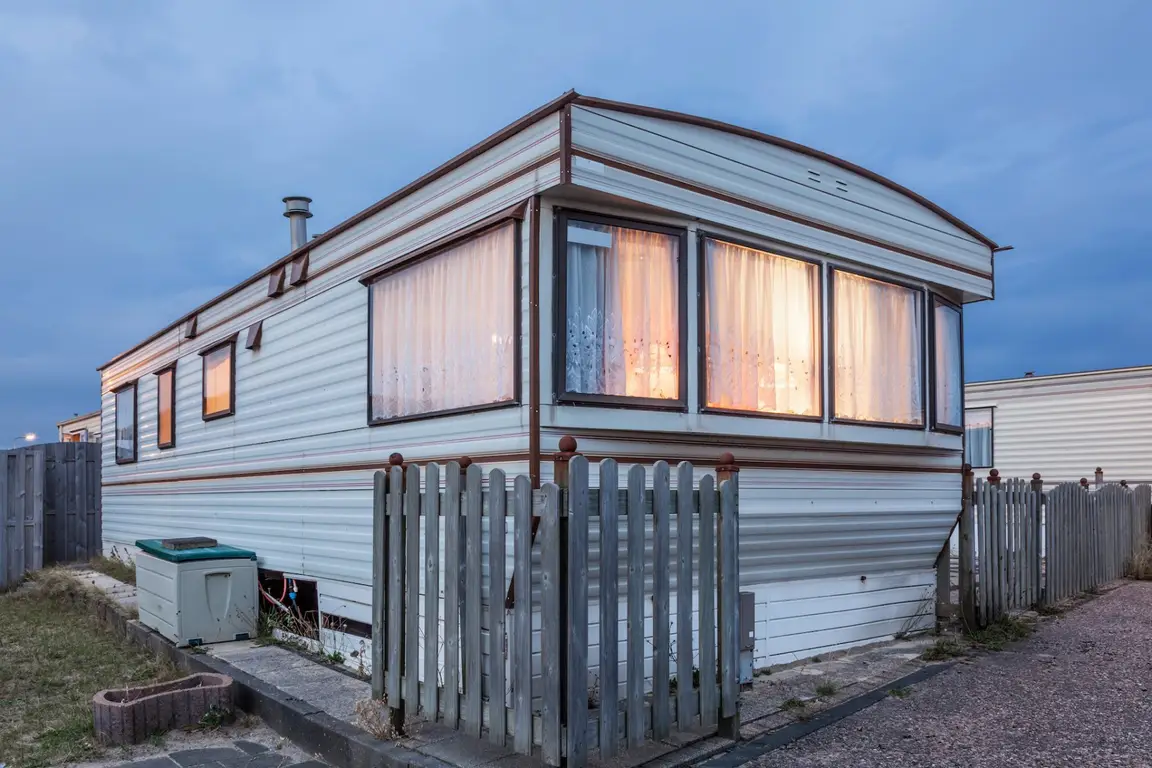
Understanding Your Mobile Home’s Value in Delaware
Your mobile home’s value depends on its condition, size, age, location, ownership arrangements, and comparable sales. Whether you are selling the home alone, including privately owned land, or requiring the buyer to move it can substantially change the evaluation.
There is no single price that applies to every mobile home in Delaware. Two homes with similar layouts may attract different offers because one is renovated and can remain in place, while the other needs repairs or transportation.
Before choosing an asking price or accepting an offer, establish what is included in the sale and compare properties that genuinely resemble yours. This guide explains the main factors to consider and how to evaluate your expected proceeds.
What Does “Mobile Home Value” Mean?
When someone gives you a number, first ask what that number represents.
An asking price, estimated market value, professional appraisal, tax assessment, and cash offer serve different purposes. They should not automatically be treated as interchangeable.
Asking Price
The asking price is the amount a seller advertises. It reflects the seller’s expectations and marketing strategy, but it does not establish what a buyer will ultimately pay.
A listing that has remained available for a long time may not be a reliable indication of an achievable sale price.
Estimated Market Value
A market-value estimate considers the property and relevant market evidence. Its usefulness depends on the quality of the information and how closely the comparisons match your home.
An estimate based on incomplete condition information or unrelated listings can be misleading.
Appraised Value
An appraisal is a professional opinion of value prepared for a defined purpose. Before ordering one, explain whether the transaction involves the home alone, the home and land, or another arrangement.
Ask whether the professional has experience with the type of manufactured home and ownership situation involved.
Tax Assessment
A tax assessment is used for taxation purposes. Do not assume it represents the amount you would receive from a particular buyer today.
Cash Offer
A cash offer is the amount a specific buyer proposes to pay under particular terms.
That buyer may account for repairs, transaction expenses, transportation, their intended use, and financial requirements. The offer should be evaluated alongside its conditions and your expected net proceeds.
1. Whether Land Is Included
One of the most important valuation questions is whether you are selling the home alone or including land.
Mobile Home Sold With Privately Owned Land
If you own and include the land, buyers will evaluate more than the structure.
The property’s location, lot characteristics, access, utilities, and other features may affect interest and pricing. The home’s condition still matters, but it is part of a broader property evaluation.
Use home-and-land comparisons where appropriate. Do not compare the entire property directly with a home-only listing.
Mobile Home on a Rented Lot
If the home sits on a rented lot, the buyer is generally evaluating the home together with the practical implications of keeping it in that location.
Relevant questions include ongoing lot costs, rental arrangements, community documents, and the proposed transaction.
Our guide to selling a mobile home in a Delaware mobile home park explains the separate community matters to review.
Mobile Home Sold for Removal
If the buyer must move the home, transportation feasibility and costs can affect the amount offered.
A home that looks valuable in place may be less attractive to a buyer who must arrange disconnection, transport, destination preparation, and installation.
Clarify the removal requirement before comparing offers.
2. The Home’s Condition
Condition influences the work a buyer expects to undertake and how soon the home can serve its intended purpose.
Major Repair Needs
Issues that may affect a buyer’s evaluation include:
- Roof leaks and resulting water damage.
- Soft or damaged subfloors.
- Plumbing problems.
- Electrical concerns.
- Heating or cooling failures.
- Window and door damage.
- Moisture-related deterioration.
- Structural or support concerns.
The extent and cause of a problem matter. A small visible stain and extensive hidden water damage can lead to very different repair estimates.
Cosmetic Condition
Paint, flooring finishes, cabinets, fixtures, and general presentation can affect buyer interest.
However, cosmetic improvements do not erase significant underlying problems. Describe the condition accurately and distinguish completed repairs from work still needed.
Documentation of Improvements
Keep invoices, warranties, permits where applicable, and photographs of completed work.
Documentation helps a buyer understand what was done and when. It does not guarantee that every dollar spent will be recovered through the sale.
Before investing in additional work, review our guide to selling a mobile home that needs repairs in Delaware.
3. Age, Size, and Layout
The home’s year, dimensions, and design help establish suitable comparisons.
Age
Age can influence expected maintenance and buyer preferences, but it should not be used alone to assign a price.
An older, well-maintained home may present differently from a newer home with substantial neglect. Consider the actual condition and improvements alongside the year.
Single-Wide or Double-Wide Configuration
Use comparisons with similar configurations where possible.
Size can affect usable space, buyer needs, and potential moving costs. A larger home does not automatically command a fixed price premium.
Bedrooms, Bathrooms, and Usable Space
Buyers may value a layout that suits their household.
Consider whether rooms are usable, the arrangement is practical, and advertised dimensions are supported by available information. Avoid relying on an uncertain square-footage figure.
4. Location Within Delaware
The relevant market is more specific than “Delaware mobile homes.”
A home in Newark may have different comparable properties and buyer considerations from one in Dover or Millsboro.
Potential buyers may consider access to work, services, transportation, and the suitability of the location for their needs.
Compare the Actual Community or Local Area
For a home on a rented lot, nearby homes in the same community may provide useful context if their condition and transaction circumstances are similar.
If you expand the comparison area, account for meaningful differences rather than treating all nearby homes as equivalent.
Avoid Unsupported Location Premiums
Do not assume that a coastal address, county name, or proximity to a particular town adds a standard amount.
Use relevant evidence and the characteristics of the property being evaluated.
5. Lot Rent and Ongoing Costs
For a home in a community, buyers need to consider both the purchase price and ongoing expenses.
Those expenses may influence how much they can afford or are willing to pay for the home.
Gather accurate information about:
- Current lot rent.
- Separately billed utilities.
- Included services.
- Maintenance responsibilities.
- Other documented recurring costs.
- Rental arrangements applicable to the proposed transaction.
Have the buyer’s expected rental terms clarified. Do not assume the current owner’s costs will automatically be identical for the buyer.
6. Whether the Home Can Remain in Place
A buyer’s evaluation can change depending on whether the home stays or moves.
Home Remaining in Its Current Location
Buyers will want to understand the arrangements that allow their intended transaction and use to proceed.
For a community home, review relevant documents and unresolved questions before advertising that it can remain without conditions.
Home Requiring Transportation
Ask an appropriate contractor to assess feasibility and costs before relying on removal assumptions.
Potential expenses can include:
- Preparation and disconnection.
- Transportation.
- Destination preparation.
- Setup and reconnection.
- Site cleanup.
- Other requirements applicable to the move.
Specify which party pays each expense. An offer covering removal may differ from an offer requiring the seller to arrange it.
7. Ownership and Transaction Readiness
Ownership documents do not determine physical condition, but unresolved paperwork can affect the buyer’s ability to complete the transaction.
Identify:
- Missing title documents.
- Recorded owners who need to participate.
- Outstanding lender interests.
- Estate or inherited-ownership questions.
- Differences between the home’s identifying information and its records.
Do not assume an unresolved paperwork issue makes the home worthless. Determine the process, time, and cost of addressing it before deciding.
Our Delaware mobile home title transfer guide explains the questions to investigate.
How to Estimate Your Mobile Home’s Value
A practical estimate starts with accurate information and relevant comparisons.
Step 1: Define the Sale
Write down whether the sale includes:
- The home only.
- The home and land.
- A home on a rented lot.
- A home requiring removal.
Also identify appliances or other items included.
Step 2: Describe the Home Accurately
Record the year, manufacturer, model, size, layout, condition, and improvements using the information available.
List known problems separately. Clear descriptions help prevent an estimate based on an unrealistic version of the property.
Step 3: Find Suitable Comparisons
Look for homes similar in configuration, condition, location, and ownership arrangements.
Where available, completed sales can provide stronger evidence of achieved prices than asking prices alone.
Step 4: Account for Meaningful Differences
Consider differences in repairs, land, location, ongoing expenses, and removal responsibilities.
Avoid applying arbitrary deductions or premiums without support.
Step 5: Compare Estimates With Actual Offers
An estimate helps establish expectations. A written offer shows what a particular buyer is proposing under defined terms.
Review both before choosing how to proceed.
For the full transaction process, read our guide to how to sell a mobile home in Delaware.
Why an Online Estimate May Be Incomplete
An online calculator may provide a starting point, but its output depends on the information and assumptions used.
It may not fully account for:
- Hidden damage.
- Particular community arrangements.
- Land ownership.
- Local comparable sales.
- Removal feasibility.
- Document issues.
- The buyer’s actual purchase terms.
If the tool combines home-only and home-and-land information, the result may be especially difficult to interpret.
Ask how the estimate was produced and what it includes before relying on it.
Why a Cash Offer May Differ From a Retail Asking Price
A buyer planning to renovate or resell may evaluate the home differently from someone seeking a place to live.
The buyer may consider anticipated repairs, time, costs, uncertainty, and their financial objectives.
A seller seeking a retail buyer may instead choose to invest in preparation, marketing, and a longer sale process.
Neither approach automatically produces the best result for every owner. Compare the likely proceeds, effort, conditions, and timing.
Compare the Complete Terms
Ask:
- Is the offer subject to inspection?
- Can the price change under stated conditions?
- Which costs will be deducted?
- Who handles outstanding balances?
- Does the buyer require repairs or cleanup?
- Is removal included?
- What remains before closing?
A higher headline price is not necessarily the stronger offer if its costs or conditions are materially different.
Calculate Your Expected Net Proceeds
Use this simple starting point:
Expected net proceeds = agreed sale price − outstanding payoffs − seller-paid transaction costs − other agreed deductions
If you are comparing a repaired sale with an as-is offer, also include repair and holding costs in the repaired-sale calculation.
For example, a hypothetical $35,000 offer with $8,000 in payoffs and $2,000 in agreed seller costs would leave approximately $25,000 before any other applicable deductions.
This example is not a Delaware price estimate. Use confirmed figures for your transaction.
Will Repairs Increase the Home’s Value?
Some improvements may increase buyer interest, but the increase in price may be less than the work costs.
Before proceeding:
- Obtain a written estimate.
- Identify the underlying problem.
- Estimate the time required.
- Consider ongoing costs during that period.
- Compare available as-is offers.
- Evaluate likely net proceeds.
Major work deserves a careful comparison. A repair that is necessary for your chosen selling route may be worthwhile even when it does not produce a dollar-for-dollar price increase.
Information to Provide When Requesting a Cash Offer
Prepare the following:
- Home address.
- Community name, if applicable.
- Whether land is included.
- Year, size, and layout.
- Known repairs and improvements.
- Clear photographs.
- Whether the home is occupied.
- Whether removal is required.
- Available ownership and loan information.
- Preferred selling timeline.
The buyer may need additional information or an evaluation before providing a firm offer.
Common Valuation Mistakes
Using Purchase Price as Today’s Value
Your original cost does not establish current buyer demand.
Treating Asking Prices as Completed Sales
A listing amount may never be achieved.
Comparing Homes With Different Land Arrangements
Home-only and home-and-land transactions need different comparisons.
Adding Every Renovation Dollar to the Price
Improvement cost and market contribution are not identical.
Ignoring Ongoing Costs or Removal
These can materially change a buyer’s evaluation.
Choosing an Offer Without Reviewing Proceeds
Understand deductions and conditions before comparing results.
Frequently Asked Questions
How can I find out what my mobile home is worth in Delaware?
Gather accurate property information, review relevant comparable sales, and consider condition, land ownership, and location. You can also request offers or seek a professional valuation appropriate to the transaction.
Does a double-wide always have more value than a single-wide?
No. Size is one factor, but condition, location, land, and transaction circumstances also affect the comparison.
Does an older mobile home still have value?
It may. Evaluate its condition, usability, location, and selling arrangements rather than assigning a price from age alone.
Does owning the land increase the sale price?
Including land changes what is being sold and can affect the total property value. Evaluate the complete property using appropriate comparisons.
How does damage affect value?
Buyers may account for repair costs, uncertainty, and time. The effect depends on the extent of the damage and the buyer’s intended use.
Is my remaining loan balance the amount my home is worth?
No. The loan balance is a financial obligation, not a market valuation. Compare the payoff with expected proceeds.
Is a cash offer an appraisal?
No. It is a purchase proposal from a particular buyer under specified terms.
Can I get an offer before repairing the home?
Yes, you can begin by describing its current condition. Confirm any inspection, repair, or other conditions before treating the offer as final.
Request a Cash Offer for Your Delaware Mobile Home
Understanding value starts with understanding your home and the proposed sale. Gather the information you have, describe its condition honestly, and compare offers based on both price and terms.
We Buy Mobile Homes In Delaware works with homeowners across New Castle, Kent, and Sussex counties. Share your home’s location, condition, land arrangements, and preferred timeline to discuss your options and request a no-obligation cash offer.
Request your cash offer or call 302-898-0267.
Explore our Seller Resources for guidance on selling, repairs, community requirements, and title transfers.